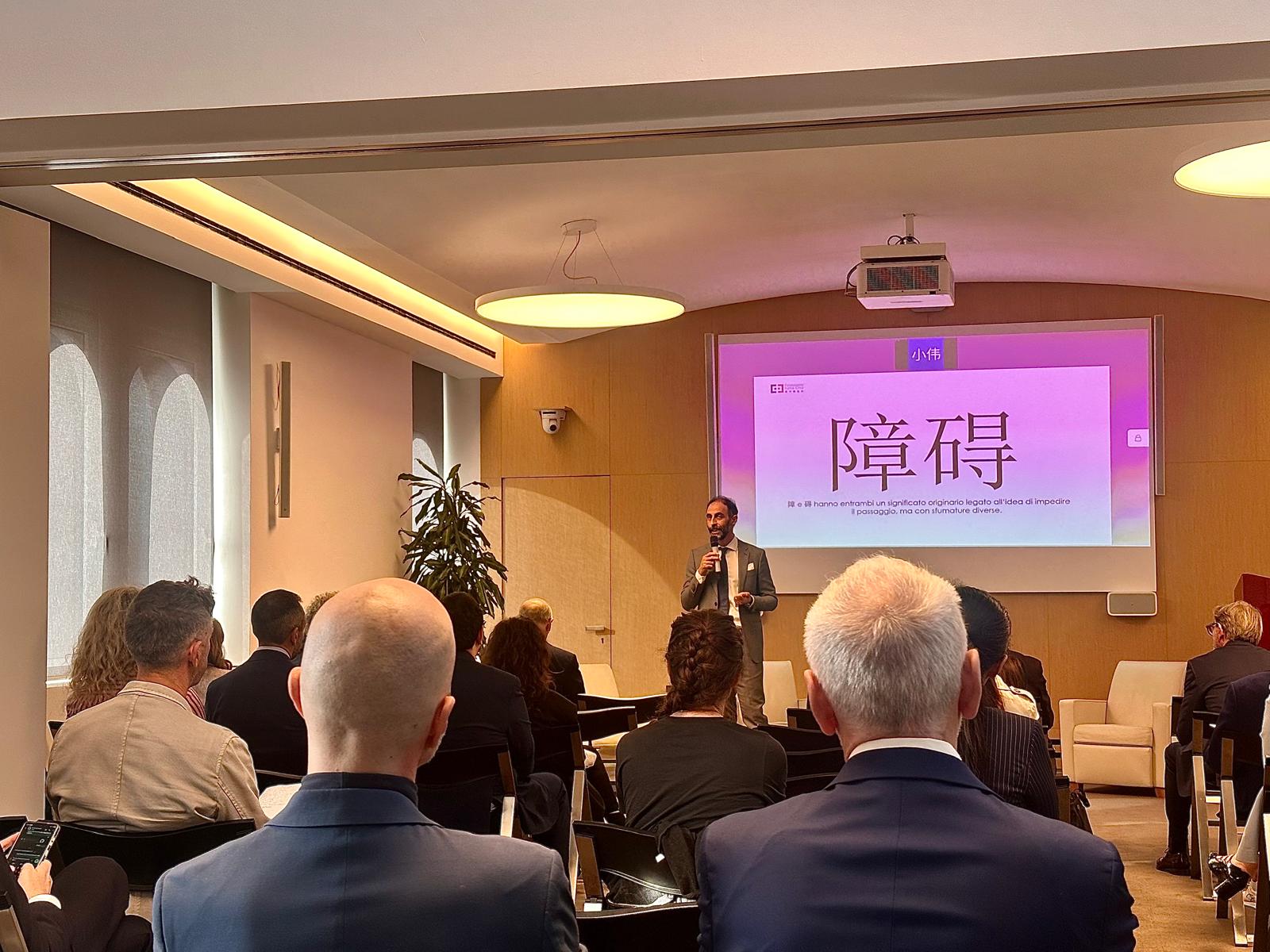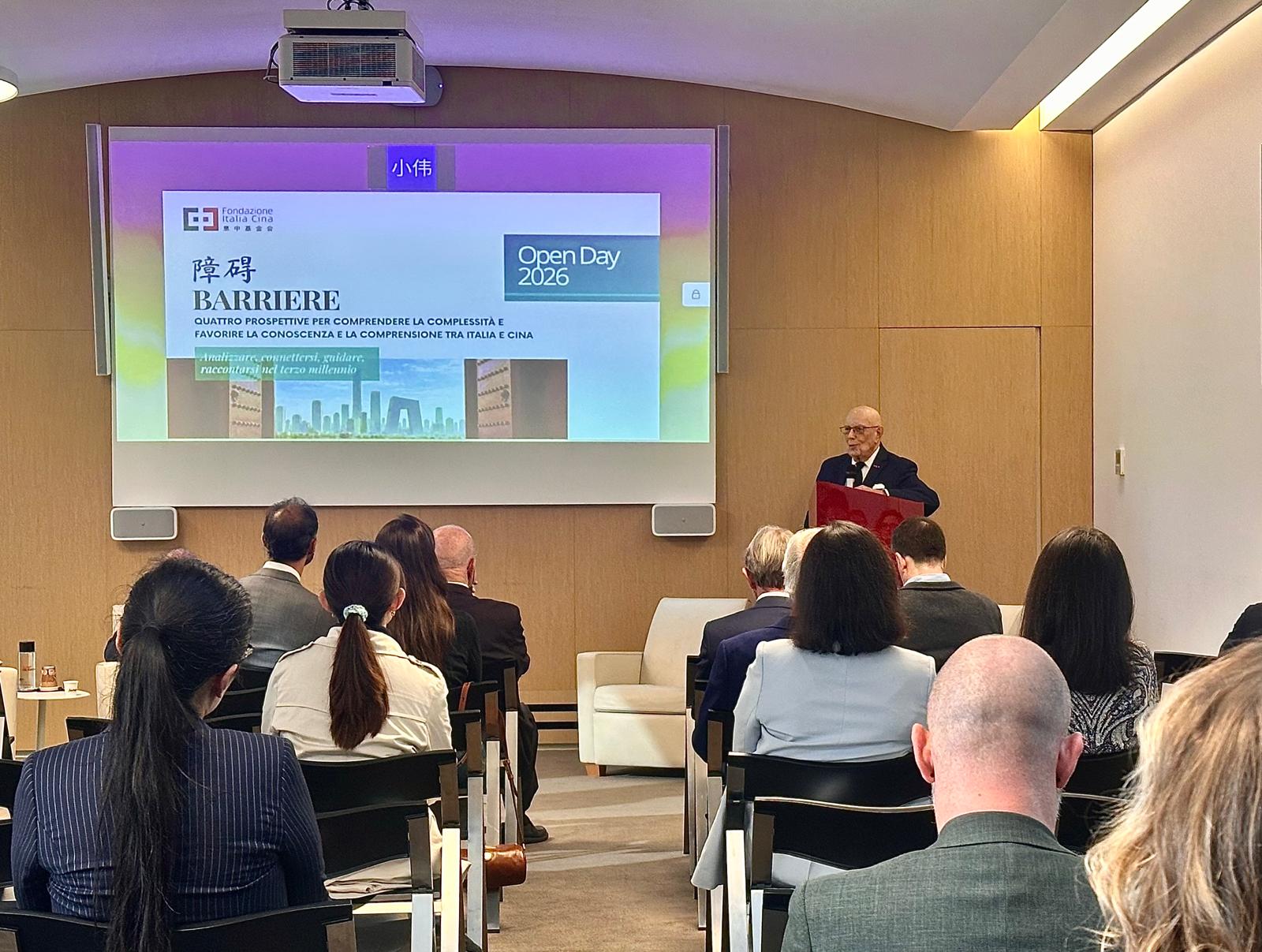
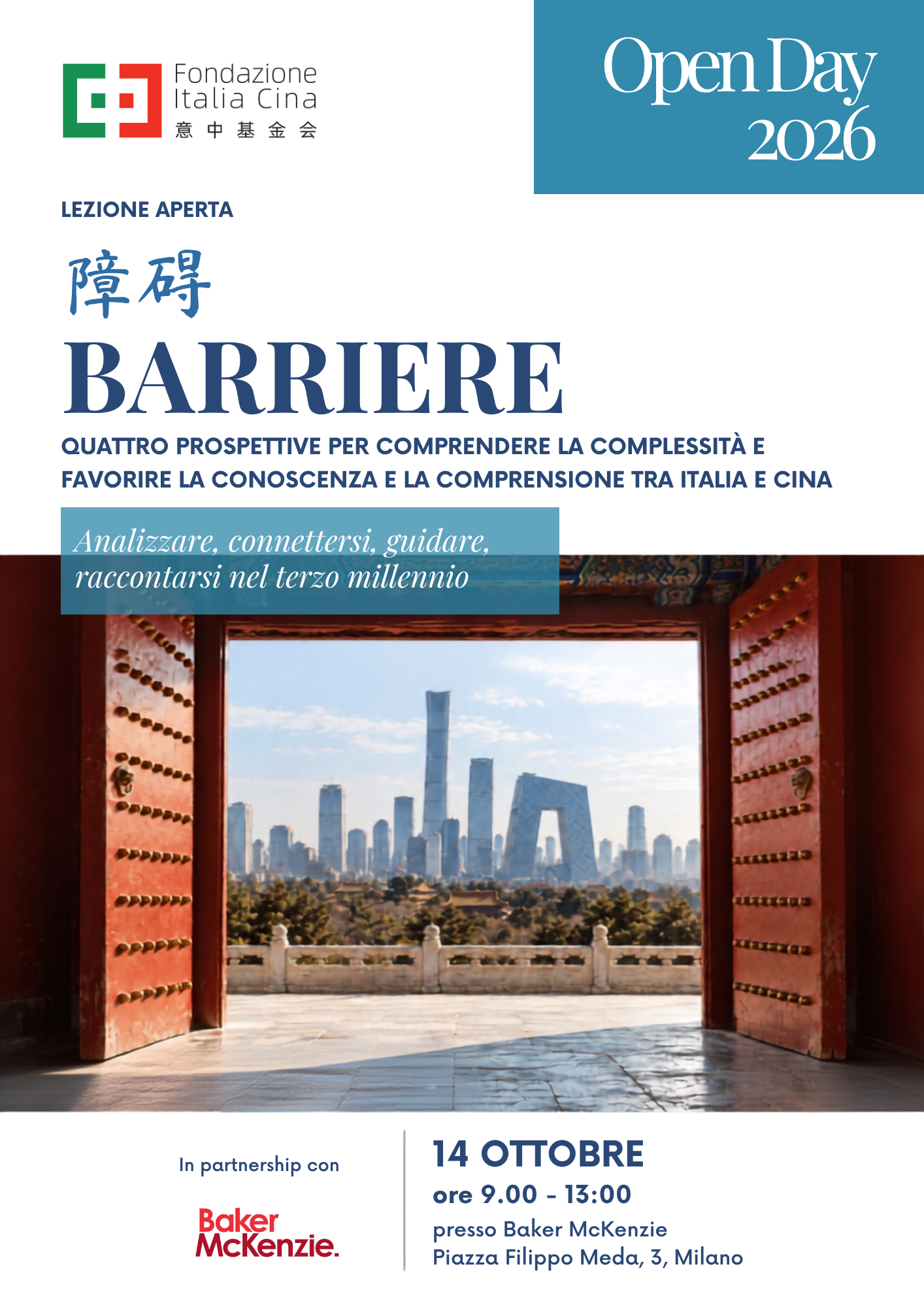
Intercultural skills, communication and market strategies are at the heart of the Open Day organized by the Academy of the Italy-China Foundation.
What are the main factors influencing the dialogue between Italy and China today? And what skills are needed for companies, professionals and institutions to interpret one of the most strategic markets in the international scenario?
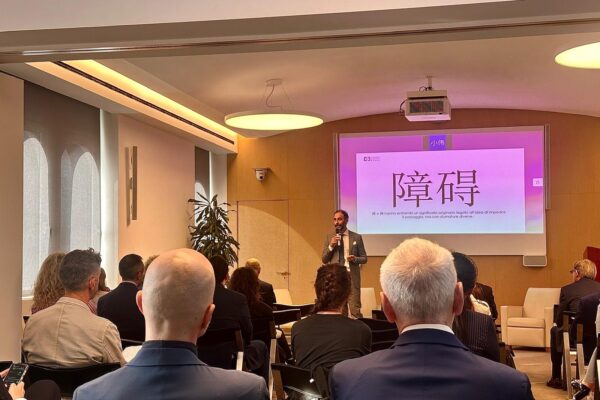
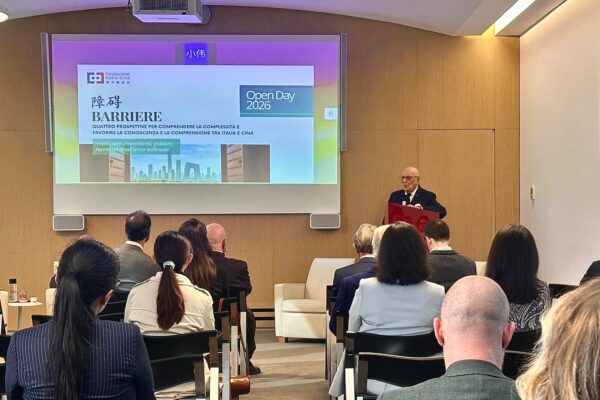
From these premises the project took shape.Open Day of theAcademy of the Italy China FoundationThe event, held on October 14, 2026 at the offices of Baker McKenzie in Milan, brought together companies, managers, experts, and representatives from the academic world to reflect on the tools necessary to operate effectively along the Italy-China axis.
During the event, the new training programs of the Academy dedicated to businesses were presented and an open lecture was proposed on the challenges that today affect relations between Italy and China.
After the institutional salutations of Cav. Lav. Mario BoselliPresident of the Italy-China Foundation, the discussion began with the trade barriers that still exist between Italy and China, with a focus on non-tariff barriers and direct investments, illustrated by Marco MarazziHead of China Desk at Baker McKenzie.
The debate then moved on to the barriers of a cultural, communicative and social nature, which were addressed by Francesco Boggio FerrarisDirector of the Academy and Marketing of the Italy-China Foundation, Simone Hu, Head of the Foundation’s Academy in Beijing and Chongqing, Roger BottiCreative and Managing Director of Robilant, and Roberto RazetoHead of International Affairs and Ranking at the IULM University.
Through direct testimonies and concrete cases, the meeting offered a multidisciplinary reading of the ongoing transformations, with the aim of fostering a deeper and mutual understanding and providing useful tools for building a more effective dialogue between the two markets.
What should companies looking at China know today?
- Knowledge is the first competitive advantage
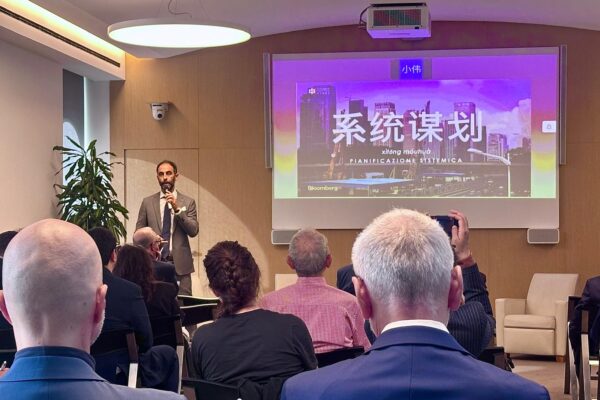
The distance between Italy and China is not only geographical or cultural: it is above all interpretative. In an increasingly complex context, the ability to understand the country becomes a real competitive factor. Hence the proposal for an approach based on four complementary dimensions: analyzeto understand the ongoing transformations; connectTo build relationships and a presence on the territory; drivingTo develop vision and the ability to adapt; telling each other storiesTo promote dialogue and mutual understanding.
- The Chinese business culture: innovating, with ancient roots
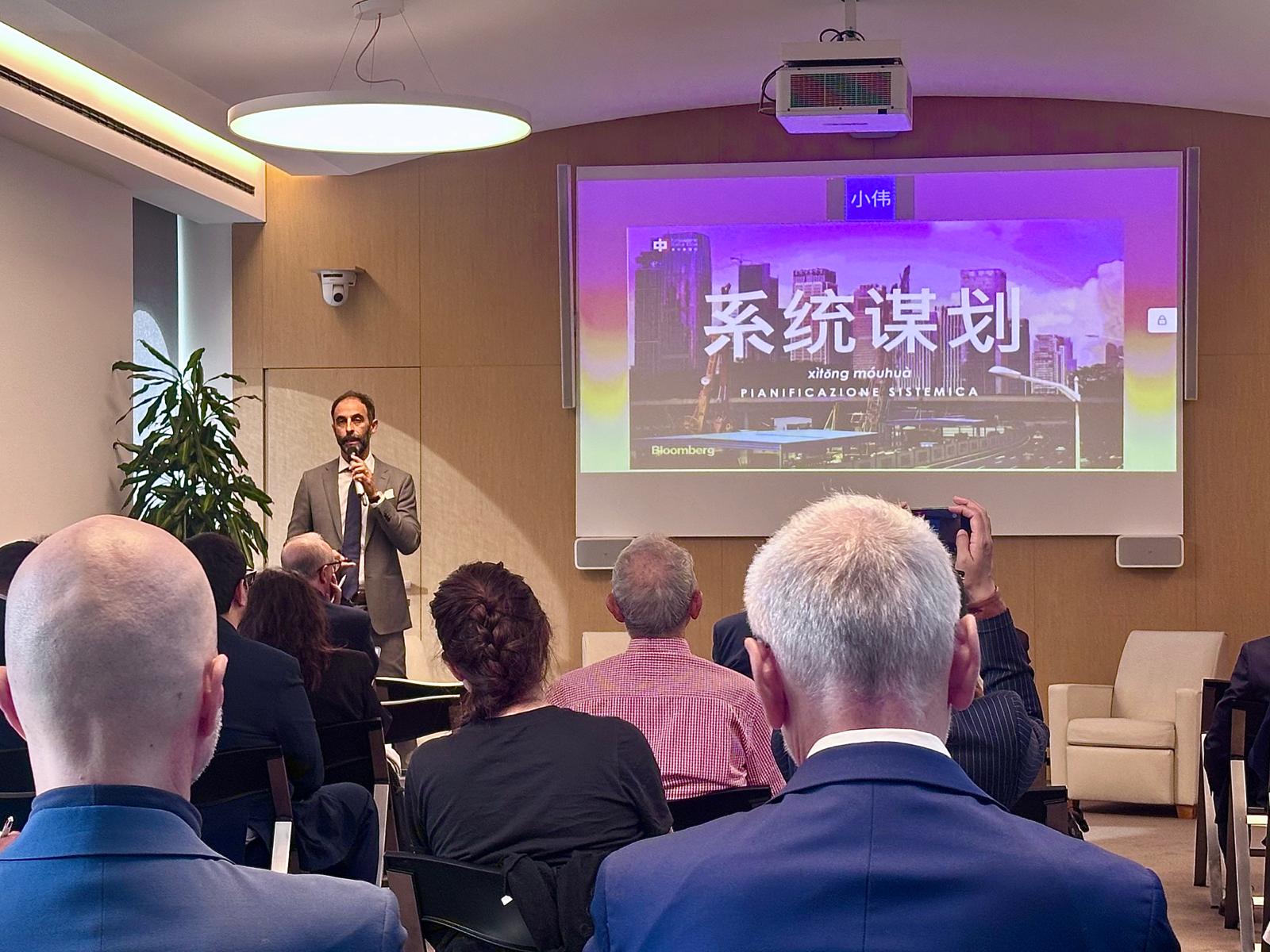
The new Chinese companies in robotics, artificial intelligence, automotive, and advanced technologies do not break with the country’s cultural tradition. On the contrary, many of their management models draw on principles of thought deeply rooted in Chinese culture: the search for harmony of Confucian origin, the adaptive pragmatism of Taoist inspiration and a holistic approach derived from the very nature of the Chinese language. These elements are complemented by three principles that characterize the contemporary approach to corporate culture: systematic planningwhich simultaneously considers the different components of a system and their interdependencies; Simultaneous development of industrial sectorswhich prioritizes the coordinated advancement of interconnected sectors; and a strong orientation towards the long and very long term, supported by the priorities of the XV Five-Year Plan (2026-2030).
- Overcoming the logic of traditional partnership
To operate in China today, it is no longer enough to build commercial relationships or find a local partner. A broader vision is necessary, close to the Chinese concept of Systemic planning (cheesyǒng mooh dearà)or of systematic planning: an approach that simultaneously considers the different components of a system and their interconnections. For Italian companies, this means learning to read together industrial policies, technological priorities, the transformation of production clusters, the evolution of demand, and public innovation programs. In other words, it is necessary to intersect the priorities of the XV Five-Year Plan (2026-2030) with sectoral and provincial plans, the geography of investments, and technological development strategies to identify opportunities for collaboration that integrate research, skills, industrial applications, and commercial development.
- Italy and China: two systems more complementary than one might think
As highlighted during the intervention Roger BottiCreative and Managing Director of Robilant, Italy and China, while operating on profoundly different scales, share numerous structural traits: a strong manufacturing tradition, the central role of family-owned businesses, the value placed on artistic, cultural, and territorial heritage, and the importance of production chains. Italy, the second-largest manufacturing nation in Europe and the world’s second-largest producer of machinery, and China, which alone generates about 28% of global manufacturing output, represent two economies with different characteristics but strongly complementary ones, in which there are ample spaces for collaboration and mutual reinforcement.
- Research and training: a bridge that strengthens
As pointed out by Roberto RazetoAs Head of International Affairs and Ranking at the IULM University, the collaboration between universities, research centers, and institutions continues to represent one of the most dynamic aspects of the relations between Italy and China. Recent surveys show a steady growth in academical cooperation agreements Between the two countries, confirming the role of training, research and intercultural communication as concrete tools to promote mutual knowledge, overcome cultural barriers and build an increasingly solid dialogue between the two countries. The course of the project is part of this framework.IULM University which, through its collaboration with the Italy-China Foundation and the recent institutional mission to China, aims to consolidate relations with the partner universities and to develop new opportunities for exchange and cooperation.