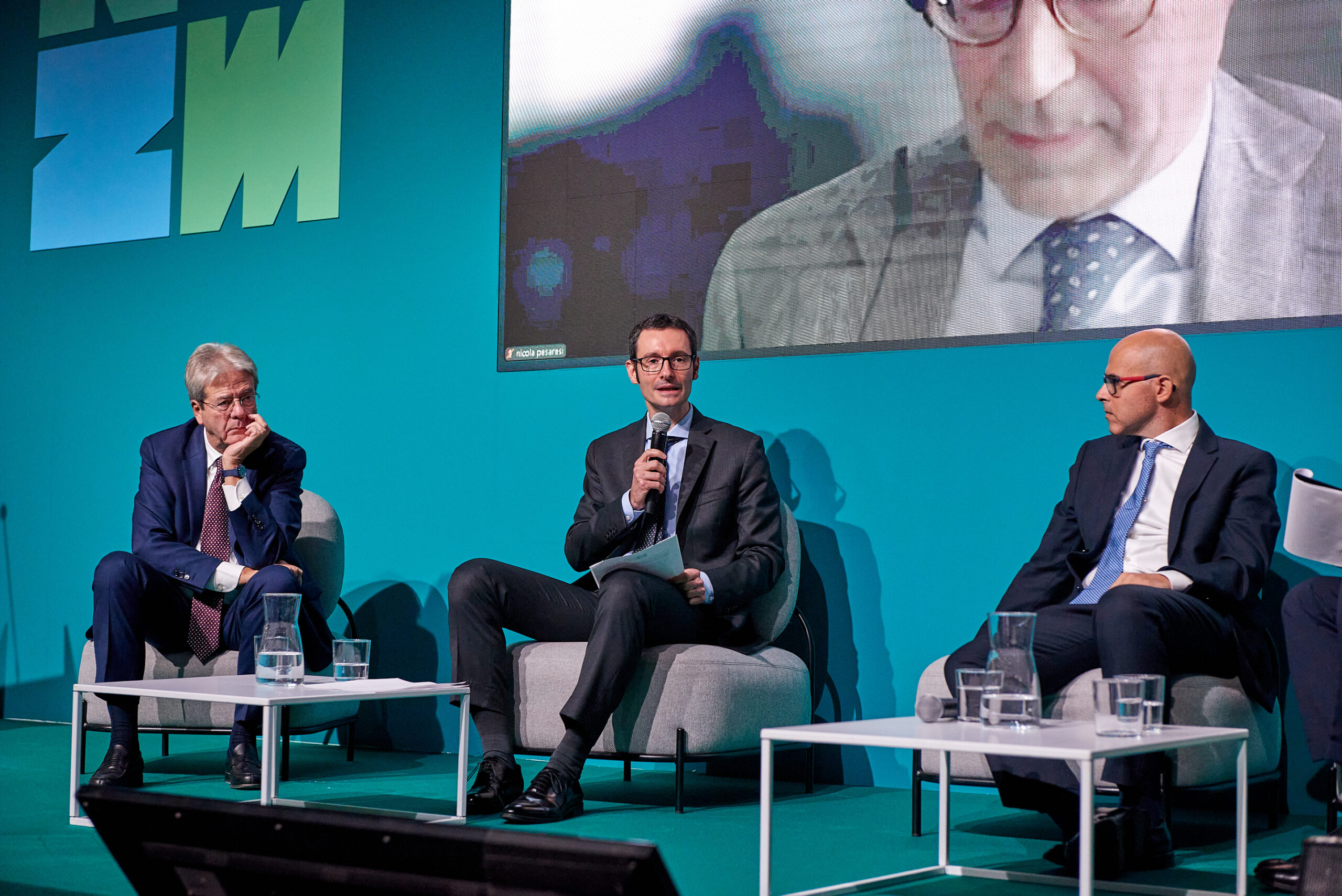
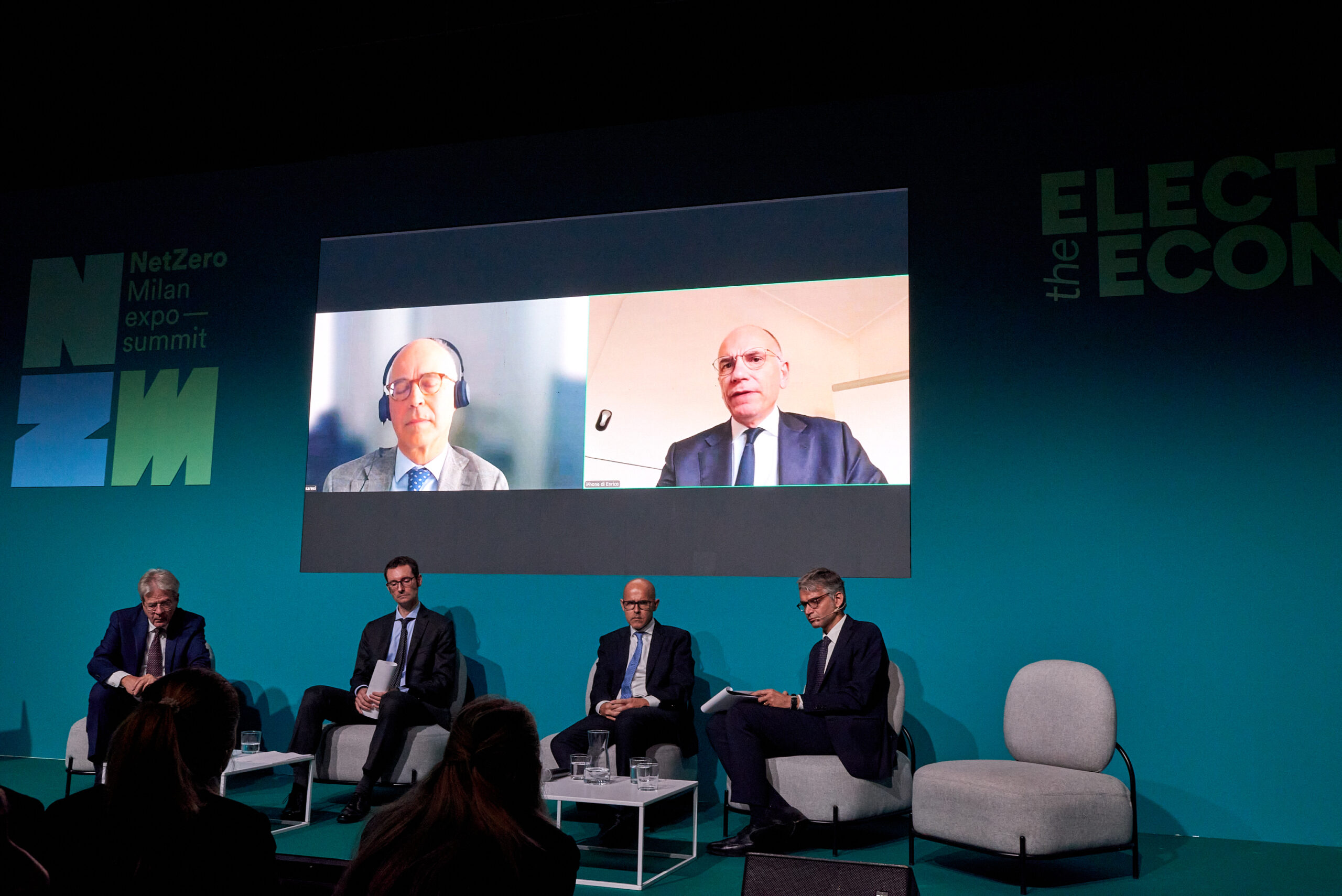
At the Opening Conference of NetZero Milan 2026, the Expo-Summit of Fiera Milano on decarbonization of the economy, the Italy-China Foundation analyzes the role of China in the global energy transition and the prospects for collaboration with the European Union.
The energy transition It is also a challenge of Industrial competitivenessIt concerns the ability to develop technologies, strengthen production chains, and reduce strategic dependencies. In this scenario, China’s path offers elements for reflection and potential opportunities. Collaboration with Europe.
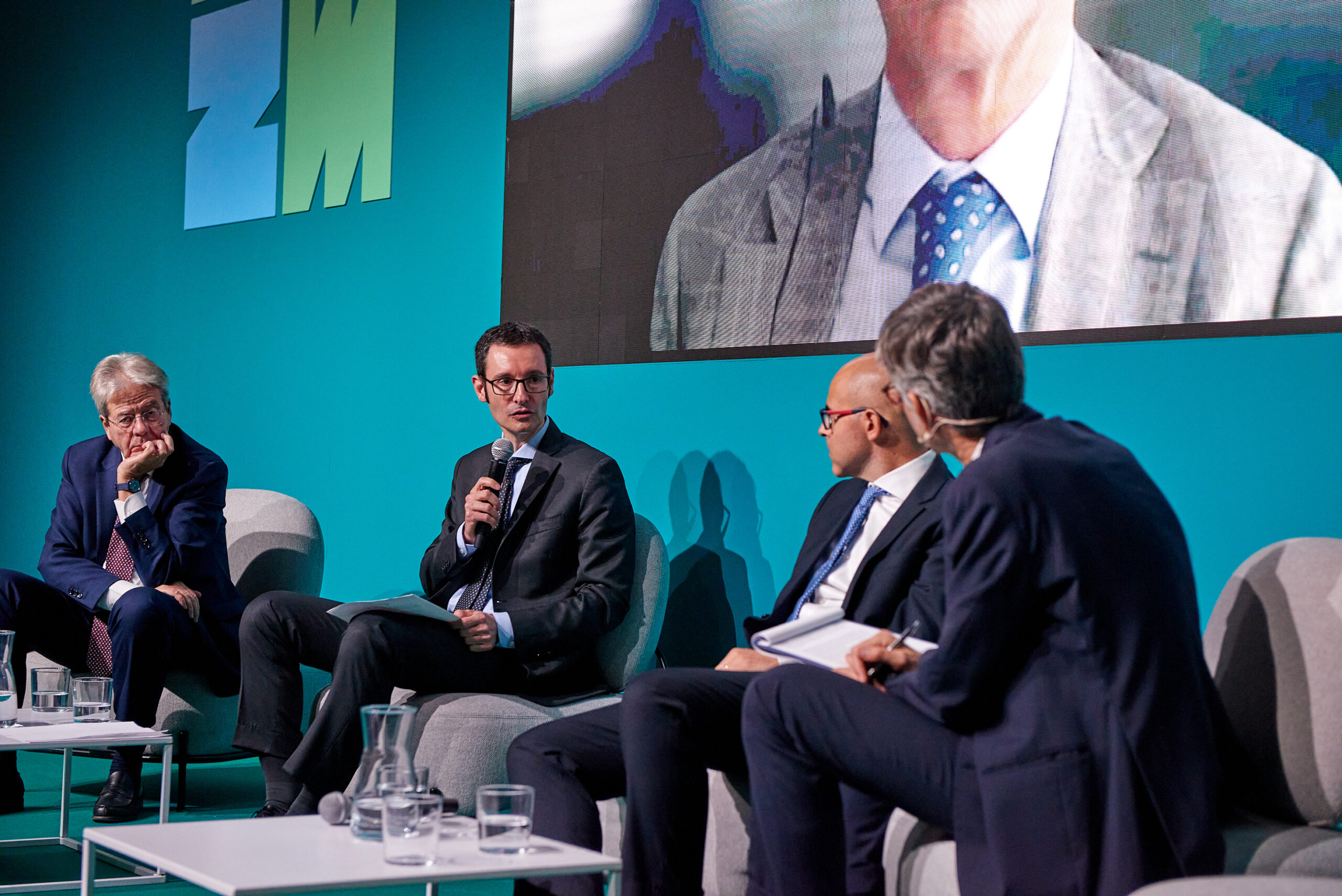
This is the perspective illustrated by Federico Pasini, Operational Director of the Italy-China Foundation, who spoke on October 21, 2026 at theOpening Conference of NetZero MilanThe Expo-Summit of Fiera Milano on the decarbonization of the economy, titled “Economic Transition in an Era of Energy WeaponizationAccording to Pasini, understanding the Chinese path towards decarbonization means analyzing a Industrial transformation which is redefining the conditions of international competitionWith direct consequences also for European companies.
Industrial decarbonization: the Chinese way
The Chinese leadership in clean technologies It is the result of a long-term planning, supported by investments in research, infrastructure and production capacity.
As early as the beginning of the 2010s, the commitment to research and development outlined a path of transformation that would progressively integrate environmental objectives with those of innovation and industrial competitiveness. With the commitments of Dual Carbon StrategyAnnounced in 2020, Beijing has set the target of peak in CO₂ emissions by 2030 and of the carbon neutrality by 2060.
The progressive growth of non-fossil sources and the diversification of the energy mix are part of this strategy: decarbonization has become a lever for developing new sectors, strengthening production capacity, and consolidating technological leadership.
Today, China is the world's leading producer and supplier of many of the strategic technologies for the energy transition, industrial innovation, and sustainable mobility, and is a global leader in the deployment of renewable energy sources. More than 40% of installations worldwide.
The path remains complex, however. China is still the world's largest energy consumer, with 32% of the global emissionsIt is the largest emitter of CO₂ and has an economy still heavily dependent on coal.
That is why the XV Five-Year PlanThe new energy transition is confirmed as one of the strategic priorities by the country's director, who will serve from 2026 to 2030. 17% reduction in carbon intensity compared to the levels of 2025 and on theincrease the share of non-fossil energy to 25% by 2030.
EU and China: cooperate in the energy transition, safeguarding European strategic autonomy.
The link between energy planning and industrial development that characterizes the Chinese path offers a point of reflection for theEuropean UnionBrussels has set ambitious climate targets, but is encountering greater difficulties in consolidating, in some strategic sectors, an internal production capacity capable of supporting the transition and competing in international markets.
The Collaboration with Beijing In this context, it can offer mutually beneficial opportunities in scientific and technological research, the development of energy efficiency solutions, storage systems, and the decarbonization of industrial processes.
Valuing the complementarity between European and Chinese competences It requires balanced relations, fair competitive conditions and a structured dialogue. Cooperation must contribute to strengthening European industry, while reconciling the need to protect its competitiveness and the reduction of strategic dependencies.
The perspective indicated by Pasini is that of a Europe capable of putting its own expertise and industrial culture to good use to develop new solutions together with China, moving from the role of buyer to the role of partner.